Monday, December 7, 2020

Waste Separation and Recycling in Germany

A desiccant is a material that forms a connection with water through chemical reactions. Most of these dryers use molecular sieve desiccants or activated alumina. Before reentering the production lines, the dry air reheats to room temperature. The dew point of compressed air, dried this way, is between 33 and 40 degrees Fahrenheit. At that rate, it is low enough for most industrial compressed air uses.

Place the balance pipes in areas that lead to connections with your primary loops. With proper fitting, these pipes will help generate a steady air delivery rate to each of your application drops. You will save on a lot of space with this type of design.

Where To Install Water Separator On Air Compressor For Loop Distribution Design

Remember, only when cooled will the water vapor in the air return to its liquid form. In that state, the water separator will catch whatever amount of moisture is in the air. With this compressed air distribution system, you will use one big pipe near the compressor. Then a smaller sized pipe then runs the length of the pipe to take care of any problems you may have with reduced air flow.

air compressor water separator home depot

Plastic will offer your water separator system several benefits. There is no law stating that air compressor owners do not have to buy a water separator. But investing in one comes highly recommended if you want to keep your equipment healthy and extend the life of your tools. The water filter operates in a similar manner as the filter.

Where to install water separator on air compressor

You can find a recycling depot nearby by googling the word „Recyclinghof“ along with the name of your town/district. You can also ask the municipality (Bürgeramt) in your area. In short, where to install a water separator on an air compressor to keep water and contaminants out of the air supply is pretty much fixed. And you must install your water separator right between the connector for the hose pipe and your pressure tank. Separators, also known as demisters, are used in compressed air systems and vacuum pumps to extract vapor from compressed air.
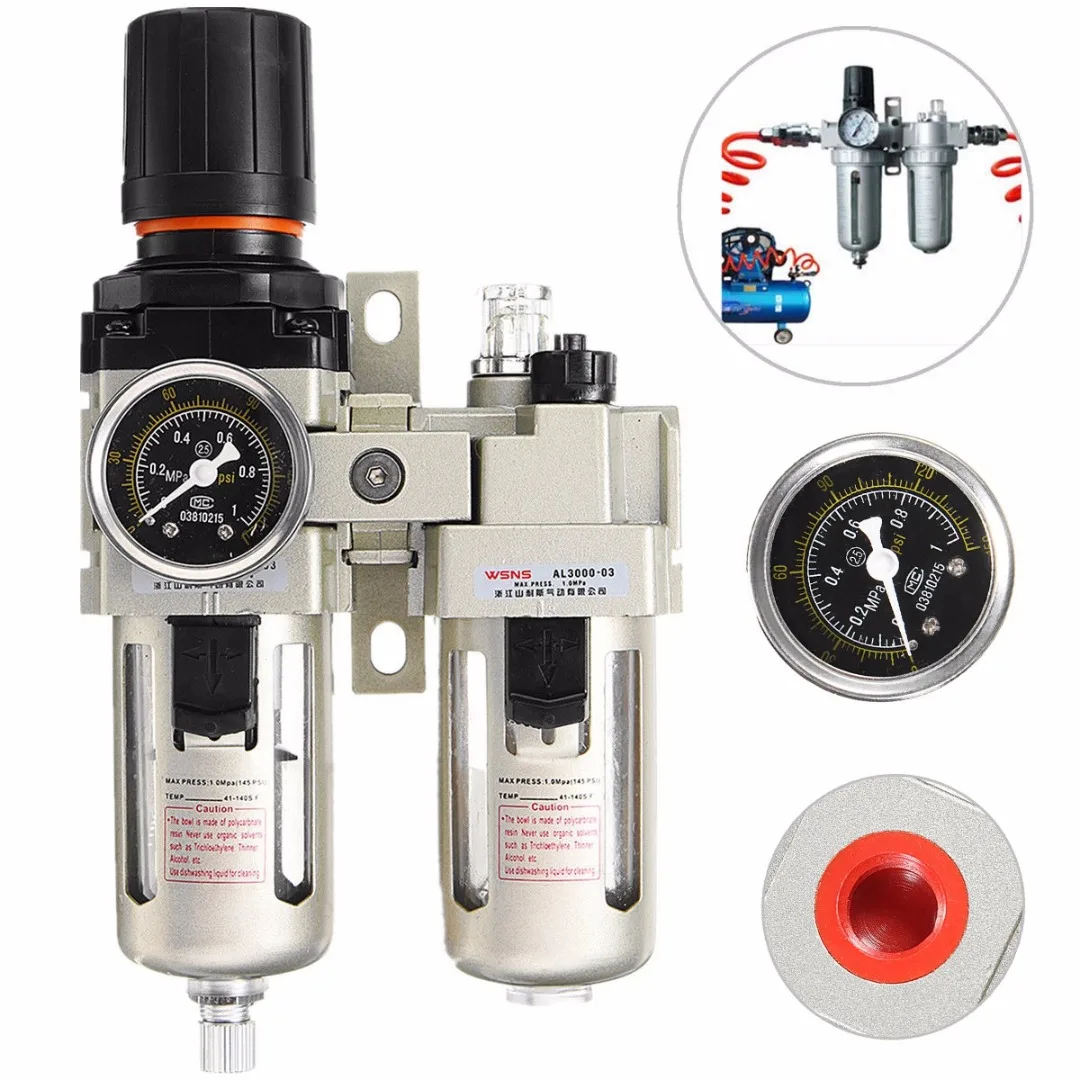
air compressor water separator home depot

You can keep working with your air compressor and tools. That is why installing these valves is a good idea. For safety reasons, ensure that your compressed air unit is powered down. You will have to install your water separator together with the compressor’s pressure gauge.

A Guide For Installing Water Separator On Air Compressor

You should drain your water separator before the water fills two-thirds of the canister or tube. To keep track of the water level, you need to do regular monitoring, which also means you need easy access to your device. Persons who use their compressed air unit often need to pay attention to the water buildup. Where metal pipes need welding to connect, you can glue plastic pipes together. For this reason, using plastic pipes to build your water separator will cost you less and save you time.

air compressor water separator home depot

The way by which air gets out of the filter is through a filter discharge. The discharge should be the same size as the inlet. Air flow will be restricted if the filter is too small. The cap of the inlet plumbs inwards, forcing air to move downward and spin into a filter bowl. Blockages within the control lines will hinder the air compressor’s ability to read and actuate the way it should.

They have loops of pipes that fit along the walls of your work area. A system like this needs isolation or shut-off valves. These valves ensure that during maintenance, you do not have to shut down your entire system. You can close off one area while the rest of your piping keeps doing the job for which it was designed. Where to install a water separator on an air compressor has to be somewhere with easy access. That way, you can reach it and drain it whenever you need to.

Where metals may suffer corrosion over time, plastic will not. Because they will not corrode, there is no need to worry about rust getting into your air stream. There are several brands of water separators available on the market. They range in price from US$50 into the hundreds. The air inside your compressor tank travels down the pipe and into the cap of the water separator. These dryers use a chemical technique to remove water from air.

In most municipalities, these types of waste are disposed of at the recycling depots. You sometimes have to pay a small fee for the disposal. For electrical waste, however, you will occasionally receive some money.

air compressor water separator home depot

We supply everything from a single source, from components to entire systems. Now you know where to install a water separator on an air compressor. But, there are two crucial things you must remember before starting the installation. Like the previous designs mentioned, the water separator falls in the same place. Install it between your connector for the hose pipe and your pressure tank. Like every other tool or piece of equipment you own, water separators need regular maintenance as well.

Air separators

Filter caps guide air as it flows in and out of the filter. Pay attention to the arrow showing which direction air should enter and leave the discharge of the filter. These particles will mix with the stream of your compressed air. It can foul your production process and damage your equipment.

If you use a long enough hose reel, you can use your air compressor all-around your workspace, and even outside if you need to. Once your system is up and running, making changes will not be simple. So, if you want to make adjustments in the future, you must design your setup to support the changes you plan to make. Use the joint with the copper tee to join each of the three 2″ pipes you have left.

How To Increase Pressure Efficiency

The most problematic issue that you want to look out for is corrosion. Prolonged contact between water and metal will lead to rust, which will destroy your equipment. There are several problems that moisture in your air compressor system can cause. Here you will find further helpful information on the topic of waste separation provided by the Federal Environment Agency. Here you will find illustrated instructions on how to separate waste properly in several languages. You can put them between pipes and at each main component of your system.
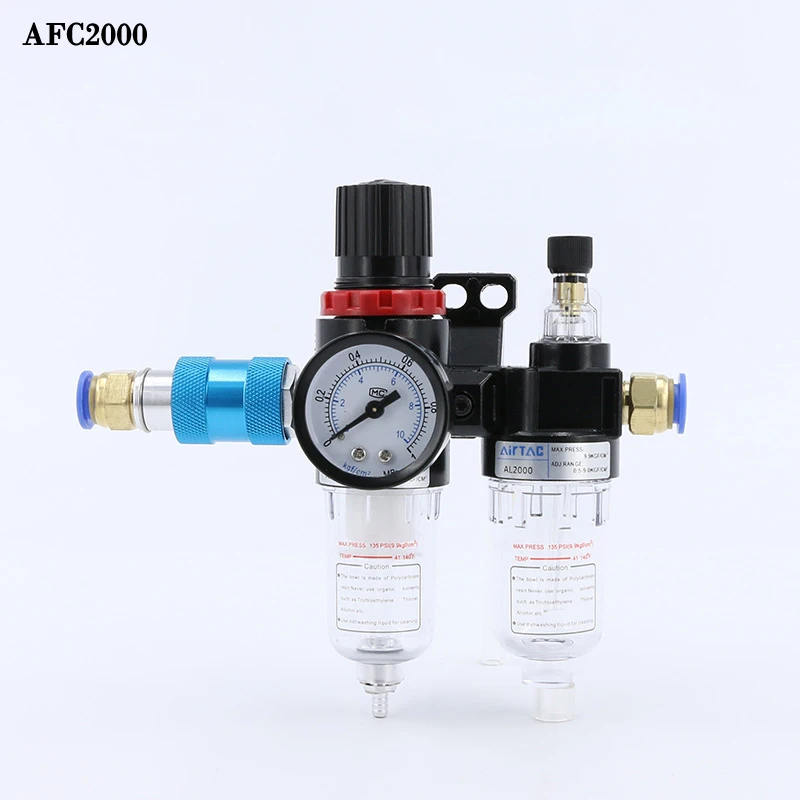
air compressor water separator home depot

air separators Germany Frankfurt am Main and Hesse companies

But when it gets to the receiver tank, the air starts to cool and the water vapor goes back to being liquid. The quiet zone of the filter is a collection point for pollutants like water and oil at the base of its filter bowl. The horizontal barrier that hangs down from the base of the filter’s filter element should prevent particles from re-entering the air. Keep in mind that the water will leave your air compressor and make its way into pneumatic tools. This will also mess with your finished product and encourage rust to develop. Using drip legs allows the water to leave the system through the pipe.

The entire process of building a water separator is simple. It just takes a lot of connecting to get the job done. Get three extra 2″ copper pipes and connect them using a copper tee. On the opposite end of each copper pipe, add the rest of your copper elbows.

Where To Install Water Separator On Air Compressor With Overhead Reel Design?

If you use a long enough hose reel, you can use your air compressor all-around your workspace, and even outside if you need to. Once your system is up and running, making changes will not be simple. So, if you want to make adjustments in the future, you must design your setup to support the changes you plan to make. Use the joint with the copper tee to join each of the three 2″ pipes you have left.

air compressor water separator home depot

The spinning action throws as much debris and water as it can out of the airstream to the bowl’s sides. Then muck that collects on the walls flows down to the bottom. Excess water in the stream of compressed air can lead to the hammer effect. As the name suggests, you will hear a knocking sound in your system.

Plastic Pipes Resist Corrosion

Remember, only when cooled will the water vapor in the air return to its liquid form. In that state, the water separator will catch whatever amount of moisture is in the air. With this compressed air distribution system, you will use one big pipe near the compressor. Then a smaller sized pipe then runs the length of the pipe to take care of any problems you may have with reduced air flow.

air compressor water separator home depot

They need to pay special attention to the layout and maintenance. Where to install a water separator on an air compressor is also necessary for an efficient plumbing network. Seiki Corporation is your partner for hot runner systems for runnerless injection moulding.

What Does The Filter Element Do?

That way, you can do maintenance work on one area of your system without affecting another section. Remember to use balance pipes with your loop distribution setup. Another option for building your plumbing network is the overhead design. It is also ideal for persons who want only one drop with their plumbing network.

We supply everything from a single source, from components to entire systems. Now you know where to install a water separator on an air compressor. But, there are two crucial things you must remember before starting the installation. Like the previous designs mentioned, the water separator falls in the same place. Install it between your connector for the hose pipe and your pressure tank. Like every other tool or piece of equipment you own, water separators need regular maintenance as well.

Where to install water separator on air compressor

To get the correct sizing, you need to know the SCFM output or flow rate of your unit. To fix vibration problems, add a connection that is soft from the compressor.Use fittings that are easy to disconnect. Running your pipes/hoses through the wall and setting up outside of your workstation is always a good idea. It will decrease the sound inside your workspace. As long as your joints have a tight seal and are in the proper place, your DIY water separator will be a success. You only need simple tools to cut plastic, and it does not take a lot of effort to do so.

air compressor water separator home depot

A flexible hose attaches straight to the water separator before it enters the pipe network. With a linear setup, the pipe runs from your compressed air unit to another area in your workstation. It is an ideal layout for air compressor owners with drops on a couple of walls or short piping lengths.

Waste Separation and Recycling in Germany

Systems with everything from patented, certified fire prevention to vandalism protection. Your air compressor likely came with a filtration system installed. It is there to extract as much debris and water as it can from the air entering your compressed air system. Some of the particles in the air may still make their way into your system and tools. But this applies to systems that do not have membranes .

The way by which air gets out of the filter is through a filter discharge. The discharge should be the same size as the inlet. Air flow will be restricted if the filter is too small. The cap of the inlet plumbs inwards, forcing air to move downward and spin into a filter bowl. Blockages within the control lines will hinder the air compressor’s ability to read and actuate the way it should.

Wednesday, July 15, 2020

Which Cruise Line Is Best For Baltic?

TopRated Small Ship Cruise Line to Baltic & Scandinavia 2018 Cruisers
TopRated Small Ship Cruise Line to Baltic & Scandinavia 2018 Cruisers from www.cruisecritic.com

Are you planning a Baltic cruise and wondering which cruise line to choose? With so many options available, it can be overwhelming to make a decision. But don't worry, we're here to help! In this article, we'll explore the best cruise lines for Baltic cruises and provide you with all the information you need to make an informed choice. So sit back, relax, and let's dive in!

The Pain Points of Choosing a Baltic Cruise Line

When it comes to choosing a cruise line for your Baltic adventure, there are a few pain points to consider. First and foremost, you want to ensure that the cruise line offers a comprehensive itinerary that covers all the must-see destinations in the region. Additionally, you'll want to consider factors like onboard amenities, dining options, entertainment, and overall value for money. It's also important to take into account the reputation and reliability of the cruise line, as well as customer reviews and feedback.

Answering the Question of Which Cruise Line is Best for Baltic

After careful consideration and research, we have come to the conclusion that the best cruise line for Baltic cruises is Royal Caribbean International. With its extensive itineraries, top-notch amenities, and excellent customer reviews, Royal Caribbean offers an unforgettable experience in the Baltic region. Whether you're interested in exploring the historic cities of St. Petersburg and Tallinn or immersing yourself in the natural beauty of Stockholm and Helsinki, Royal Caribbean has you covered.

Main Points to Consider

When selecting the best cruise line for your Baltic adventure, keep the following factors in mind:

  • Comprehensive itineraries that cover the must-see destinations in the Baltic region
  • Amenities, dining options, and entertainment offerings onboard
  • Reputation and reliability of the cruise line
  • Customer reviews and feedback

A Personal Experience with Royal Caribbean in the Baltic

During my recent Baltic cruise with Royal Caribbean, I was blown away by the level of service and attention to detail. The ship was luxurious and well-maintained, with a wide range of dining options to suit every palate. The onboard entertainment was top-notch, with Broadway-style shows and live music performances. And the itinerary was perfect, allowing us to explore iconic cities like Copenhagen, Stockholm, and St. Petersburg. I highly recommend Royal Caribbean for your Baltic cruise!

What is a Baltic Cruise?

A Baltic cruise is a voyage that takes you to the countries bordering the Baltic Sea, including Denmark, Sweden, Finland, Russia, Estonia, Latvia, Lithuania, and Poland. This region is known for its rich history, stunning architecture, and picturesque landscapes. A Baltic cruise allows you to explore iconic cities like Copenhagen, Stockholm, and St. Petersburg, as well as charming coastal towns and hidden gems along the way.

The History and Myth of Baltic Cruise Lines

Baltic cruise lines have a long and storied history, dating back to the golden age of ocean travel. In the early 20th century, cruise ships offered luxurious voyages to the Baltic Sea, catering to the wealthy elite. These cruises were considered a symbol of status and sophistication, offering passengers a chance to explore exotic destinations in style. Over the years, Baltic cruise lines have evolved to meet the changing needs and preferences of travelers, but the allure of this enchanting region remains unchanged.

The Hidden Secrets of Baltic Cruise Lines

While Baltic cruise lines are known for their iconic destinations and stunning landscapes, there are also hidden secrets waiting to be discovered. From off-the-beaten-path towns to secluded beaches, the Baltic region offers a wealth of hidden gems for intrepid travelers. Whether you're exploring the charming streets of Tallinn's Old Town or discovering the untouched beauty of the Åland Islands, a Baltic cruise will unveil a world of hidden wonders.

Recommendations for Baltic Cruise Lines

In addition to Royal Caribbean International, there are several other cruise lines that offer fantastic Baltic itineraries. Here are some recommendations:

  1. Princess Cruises: Known for its exceptional service and enriching onboard experiences, Princess Cruises offers a range of Baltic itineraries that cater to different interests and budgets.
  2. Holland America Line: With its elegant ships and immersive cultural experiences, Holland America Line is a popular choice for Baltic cruises. From exploring the medieval city of Tallinn to marveling at the grandeur of St. Petersburg, you'll create lasting memories on a Holland America cruise.
  3. Norwegian Cruise Line: Offering a more relaxed and casual cruising experience, Norwegian Cruise Line is perfect for travelers who prefer a flexible itinerary and a laid-back onboard atmosphere. With its wide range of dining options and onboard activities, there's never a dull moment on a Norwegian Cruise Line Baltic adventure.

Exploring the Baltic with Royal Caribbean International

When you choose Royal Caribbean International for your Baltic cruise, you can expect a seamless and unforgettable experience. The cruise line offers a variety of itineraries, ranging from 7 to 14 nights, allowing you to explore the Baltic region at your own pace. From the opulence of St. Petersburg's palaces to the medieval charm of Tallinn, every port of call offers a unique and enriching experience. Onboard, you'll enjoy world-class amenities, delectable dining options, and a wide range of entertainment choices. With Royal Caribbean International, your Baltic adventure is sure to be a trip of a lifetime.

Tips for Choosing the Best Baltic Cruise Line

Here are some tips to help you choose the best cruise line for your Baltic adventure:

  • Research the itineraries offered by different cruise lines and choose one that covers your desired destinations
  • Consider the onboard amenities, dining options, and entertainment offerings to ensure they align with your preferences
  • Read customer reviews and feedback to get an idea of the cruise line's reputation and reliability
  • Take advantage of special promotions and discounts to get the best value for your money

Conclusion of Which Cruise Line is Best for Baltic

When it comes to choosing the best cruise line for your Baltic adventure, Royal Caribbean International stands out as a top choice. With its comprehensive itineraries, top-notch amenities, and excellent customer reviews, Royal Caribbean offers an unforgettable experience in the Baltic region. However, other cruise lines like Princess Cruises, Holland America Line, and Norwegian Cruise Line also offer fantastic Baltic itineraries, catering to different interests and budgets. Ultimately, the best cruise line for you depends on your personal preferences and what you're looking to get out of your Baltic cruise. So weigh your options, do your research, and get ready for the trip of a lifetime!

Review Of How Much Is The Average Cruise 2023

How much does the average Cruise Ship Cost? You might be surprised
How much does the average Cruise Ship Cost? You might be surprised from www.pinterest.co.uk

Are you dreaming of going on a cruise but unsure of how much it will cost? Well, you've come to the right place! In this article, we will explore the average cost of a cruise and provide you with all the information you need to plan your next vacation. So, grab a cup of coffee and let's dive in!

The Pain Points of How Much is the Average Cruise

One of the biggest pain points when it comes to planning a cruise is the uncertainty around costs. Many people want to know how much they should budget for a cruise, but finding accurate information can be challenging. It can be frustrating to search online and find conflicting answers or outdated pricing. Additionally, there may be hidden fees or unexpected expenses that can catch you off guard if you're not prepared.

Answering the Question: How Much is the Average Cruise?

The average cost of a cruise can vary greatly depending on several factors, including the cruise line, destination, length of the cruise, type of cabin, and time of year. On average, however, you can expect to pay anywhere from $500 to $2,500 per person for a 7-day cruise. This price typically includes your accommodations, meals, and entertainment onboard. However, it's important to note that this price does not include additional expenses such as gratuities, alcoholic beverages, excursions, and spa services.

Main Points: How Much is the Average Cruise

To summarize, the average cost of a cruise can range from $500 to $2,500 per person for a 7-day cruise. However, there are several factors that can influence the price, so it's important to do your research and consider your preferences and budget before booking. Keep in mind that additional expenses such as gratuities, alcoholic beverages, excursions, and spa services are not typically included in the base price of the cruise.

Personal Experience with How Much is the Average Cruise

Last year, my family and I decided to go on a Caribbean cruise for our annual vacation. We chose a 7-day cruise with a popular cruise line, and we were able to secure a great deal during a promotion. The total cost for our family of four came out to around $3,000, which included our accommodations, meals, and entertainment onboard. We also budgeted an additional $1,000 for excursions and other expenses. Overall, it was a fantastic experience, and we felt that the cost was well worth it for the quality of the cruise.

Explaining How Much is the Average Cruise

When we talk about the average cost of a cruise, we are referring to the typical price range that most people can expect to pay for a standard cruise experience. This average cost includes your accommodations, meals, and entertainment onboard the ship. However, it's important to keep in mind that this price does not include additional expenses such as gratuities, alcoholic beverages, excursions, and spa services. These additional costs can add up quickly, so it's important to budget accordingly.

The History and Myth of How Much is the Average Cruise

The concept of cruising dates back to ancient times when people would travel by boat for various reasons, including trade and exploration. However, modern-day cruises as we know them today began in the mid-19th century with the advent of steam-powered ships. These early cruises were primarily for the wealthy elite, and the cost of a cruise was out of reach for the average person. Over time, cruising became more accessible and affordable, and today, there are cruises available for every budget.

The Hidden Secrets of How Much is the Average Cruise

One of the hidden secrets of how much a cruise can cost is the potential for additional fees and expenses. While the base price of the cruise may seem reasonable, there are often hidden fees that can quickly add up. These can include gratuities, alcoholic beverages, specialty dining, spa services, Wi-Fi access, and excursions. It's important to factor in these additional costs when budgeting for your cruise to avoid any surprises.

Recommendations for How Much is the Average Cruise

If you're considering going on a cruise and are wondering how much to budget, here are a few recommendations. First, do your research and compare prices from different cruise lines and travel agencies. Look for promotions or special offers that may help you save money. Second, consider booking your cruise during the off-peak season when prices tend to be lower. Finally, be mindful of additional expenses and budget accordingly to ensure a stress-free and enjoyable vacation.

Exploring the Topic of How Much is the Average Cruise

When it comes to understanding how much a cruise costs, it's important to consider all the factors that can influence the price. These factors include the cruise line, destination, length of the cruise, type of cabin, and time of year. By taking these factors into account and doing your research, you can get a better idea of how much you can expect to pay for a cruise that meets your preferences and budget.

Tips for How Much is the Average Cruise

Here are some tips to help you navigate the world of cruise pricing. First, be flexible with your travel dates. Prices can vary significantly depending on the time of year, so consider traveling during the off-peak season when prices tend to be lower. Second, consider booking a last-minute cruise. Cruise lines often offer discounted rates for unsold cabins as the departure date approaches. Finally, be sure to read the fine print and understand what is included in the base price of the cruise and what additional expenses you may incur.

Going Beyond How Much is the Average Cruise

While the average cost of a cruise is an important factor to consider when planning your vacation, it's also essential to think about the overall value and experience. A higher-priced cruise may offer more luxurious accommodations, better dining options, and a wider range of onboard activities and entertainment. On the other hand, a lower-priced cruise may still provide a fantastic experience with excellent service and amenities. Ultimately, it's up to you to determine what is most important to you and what fits within your budget.

Fun Facts About How Much is the Average Cruise

Did you know that the cost of a cruise can vary significantly depending on the type of cabin you choose? Inside cabins, which don't have a window or balcony, are usually the most affordable option. However, if you're willing to splurge, you can opt for a suite with a private balcony or even a luxury penthouse suite. The cost of these accommodations can be several times higher than the price of an inside cabin but can provide a more luxurious and exclusive experience.

How to Navigate How Much is the Average Cruise

If you're feeling overwhelmed by the process of determining how much a cruise will cost, here are a few steps to help you navigate the process. First, decide on your destination and the length of the cruise. This will give you a starting point for researching prices. Second, compare prices from different cruise lines and travel agencies to get an idea of the average cost for your desired cruise. Finally, factor in additional expenses such as gratuities, alcoholic beverages, excursions, and spa services to get a more accurate estimate of the total cost.

What If: How Much is the Average Cruise

If you're still unsure about how much to budget for a cruise, consider reaching out to a travel agent who specializes in cruises. They can provide you with personalized advice and help you find the best deals. Additionally, many cruise lines offer online calculators or budget planning tools that can give you a rough estimate of how much you can expect to pay based on your preferences and budget.

Listicle: How Much is the Average Cruise

Here are five key points to remember when thinking about how much a cruise costs:

  1. Prices can vary greatly depending on factors such as the cruise line, destination, length of the cruise, type of cabin, and time of year.
  2. Additional expenses such as gratuities, alcoholic beverages, excursions, and spa services are not typically included in the base price of the cruise.
  3. Doing your research and comparing prices from different cruise lines and travel agencies can help you find the best deal.
  4. Booking your cruise during the off-peak season or taking advantage of last-minute deals can help you save money.
  5. Consider the overall value and experience, not just the price, when deciding on a cruise.

Question and Answer About How Much is the Average Cruise

Q: Can I find a cheap cruise?

A: Yes, it is possible to find a cheap cruise. By being flexible with your travel dates, booking during the off-peak season, and comparing prices from different cruise lines, you can often find great deals.

Q: Are there any additional fees I should be aware of?

A: Yes, there may be additional fees such as gratuities, alcoholic beverages, excursions, and spa services. Be sure to read the fine print and budget accordingly.

Q: How can I save money on a cruise?

A: To save money on a cruise, consider booking during the off-peak season, looking for last-minute deals, and being mindful of additional expenses. It's also a good idea to compare prices

Tuesday, July 14, 2020

Awasome What Is A Regionally Accredited College References

Regionally Accredited Colleges College Choices
Regionally Accredited Colleges College Choices from thecollegechoices.blogspot.com

Are you considering attending college but unsure about the importance of accreditation? In this article, we will explore what it means for a college to be regionally accredited and why it matters for your education and future career.

When it comes to choosing a college, there are several factors to consider. One of the most important factors is accreditation. Accreditation ensures that the college meets certain standards of quality and is recognized by other institutions and employers. Without accreditation, your degree may not be recognized by other colleges or employers, limiting your opportunities for further education or employment.

A regionally accredited college is one that has been evaluated and approved by one of the accrediting bodies in a specific region of the United States. These accrediting bodies are recognized by the U.S. Department of Education and the Council for Higher Education Accreditation. Regionally accredited colleges are typically more respected and recognized than nationally accredited colleges, as they have undergone a rigorous evaluation process to ensure they meet high standards of quality and academic rigor.

Personal Experience with a Regionally Accredited College

During my college search, I was initially unaware of the importance of accreditation. I applied to several schools without considering their accreditation status. However, as I researched further, I realized the significance of attending a regionally accredited college. I decided to enroll in a regionally accredited college, and I can confidently say that it was one of the best decisions I made.

Attending a regionally accredited college provided me with a quality education and opened doors for various opportunities. I was able to transfer credits to other accredited institutions, pursue advanced degrees, and secure a job in my desired field after graduation. The reputation and recognition of my college helped me stand out among other applicants and gave me a competitive edge.

What is a Regionally Accredited College?

A regionally accredited college is an institution that has undergone a comprehensive evaluation by an accrediting body in a specific region. This evaluation assesses various aspects of the college, including its faculty, curriculum, student support services, facilities, and more. The goal of accreditation is to ensure that the college meets high standards of quality and provides students with a valuable education.

Regionally accredited colleges are more likely to offer transferable credits, have a wider range of academic programs, and provide better support services for students. Employers also tend to value degrees from regionally accredited colleges more highly, as they know that graduates have received a quality education.

The History and Myth of Regionally Accredited Colleges

Regionally accredited colleges have a long history dating back to the early 20th century. The accreditation process was established to establish a standardized system of quality assurance in higher education. Over the years, the accreditation process has evolved to meet the changing needs of students and society.

There is a common myth that regionally accredited colleges are only for traditional students attending brick-and-mortar institutions. However, this is not true. Regionally accredited colleges offer a wide range of programs, including online and hybrid options, to accommodate the needs of diverse student populations. Whether you are a working professional, a parent, or someone who prefers the flexibility of online learning, you can still receive a quality education from a regionally accredited college.

The Hidden Secret of Regionally Accredited Colleges

One of the hidden secrets of regionally accredited colleges is the network and support system they provide. When you attend a regionally accredited college, you become part of a larger community of students, alumni, and professionals. This network can be invaluable in terms of finding internships, job opportunities, and mentorship. Additionally, regionally accredited colleges often offer robust career services, including resume writing assistance, interview preparation, and job placement assistance.

Recommendation for Regionally Accredited Colleges

If you are considering attending college, I highly recommend choosing a regionally accredited college. By doing so, you can ensure that you are receiving a quality education that will be recognized and respected by other institutions and employers. Take the time to research and visit different colleges, and pay close attention to their accreditation status. Remember, attending a regionally accredited college is an investment in your future.

Explaining Regionally Accredited Colleges in More Detail

Regionally accredited colleges undergo a rigorous evaluation process to ensure they meet high standards of quality and academic rigor. The accreditation process typically involves a self-assessment by the college, followed by an evaluation visit from the accrediting body. During the evaluation visit, the accrediting body reviews various aspects of the college, including its faculty qualifications, curriculum, student support services, facilities, and more. After the evaluation, the accrediting body makes a decision about the college's accreditation status.

Attending a regionally accredited college has several benefits. First, regionally accredited colleges are more likely to offer transferable credits, allowing you to easily transfer to another accredited institution if needed. Second, regionally accredited colleges often have a wider range of academic programs, allowing you to choose a major that aligns with your interests and career goals. Third, regionally accredited colleges typically provide better support services for students, such as tutoring, counseling, and career services. Finally, degrees from regionally accredited colleges are generally more respected and recognized by employers, increasing your chances of finding employment after graduation.

Tips for Choosing a Regionally Accredited College

When choosing a regionally accredited college, there are several factors to consider. First, research the college's accreditation status and make sure it is recognized by one of the accrediting bodies in your region. Second, consider the college's location and whether it offers the programs and resources you need. Third, visit the college's campus if possible and speak with current students and faculty to get a sense of the college's culture and community. Finally, consider the college's affordability and whether it offers financial aid options that align with your needs.

Question and Answer: What is a Regionally Accredited College

Q: Are all regionally accredited colleges the same?
A: No, while all regionally accredited colleges meet certain standards of quality, each college has its own unique strengths, programs, and culture.

Q: Can I transfer credits from a regionally accredited college to a nationally accredited college?
A: It depends on the specific policies of the college you wish to transfer to. Generally, regionally accredited credits are more likely to transfer to other regionally accredited colleges.

Q: Can I receive financial aid at a regionally accredited college?
A: Yes, regionally accredited colleges typically offer financial aid options, including scholarships, grants, and loans. Be sure to research the college's financial aid offerings and application process.

Q: Can I attend a regionally accredited college if I am an international student?
A: Yes, regionally accredited colleges often accept international students. However, there may be additional requirements and documentation needed for international students. Contact the college's admissions office for more information.

Conclusion of What is a Regionally Accredited College

Attending a regionally accredited college is a wise choice for anyone seeking a quality education and increased opportunities. These colleges have undergone a rigorous evaluation process to ensure they meet high standards of quality and academic rigor. By choosing a regionally accredited college, you can be confident that your degree will be recognized and respected by other institutions and employers. Take the time to research and visit different colleges, and pay close attention to their accreditation status. Your education and future career depend on it.

The Best How To Show Colleges You Are Interested 2023

How to Show Colleges That Your Homeschool A's are the Real Deal
How to Show Colleges That Your Homeschool A's are the Real Deal from www.pinterest.com

Are you a high school student dreaming of attending your dream college? Are you worried about how to show colleges you are interested and stand out among other applicants? Look no further! In this article, we will explore effective strategies to demonstrate your interest to colleges and increase your chances of acceptance.

Understanding the Pain Points

Preparing for college can be a daunting and stressful process. The competition is fierce, and colleges receive countless applications each year. It can be challenging to capture their attention and show them that you are genuinely interested in their institution. However, by implementing the right tactics, you can set yourself apart from the competition.

Answering the Question

So, how can you show colleges you are interested? The key is to be proactive and engaged throughout the application process. Start by researching and familiarizing yourself with the college's values, programs, and campus culture. Attend college fairs, visit campuses, and connect with admissions officers to demonstrate your enthusiasm and commitment.

Summarizing the Main Points

In summary, to show colleges you are interested, you need to take proactive steps to engage with the institution. Researching the college, attending events, and connecting with admissions officers are essential strategies to demonstrate your enthusiasm and commitment.

Sharing Personal Experience

When I was applying to colleges, I was determined to show my genuine interest and passion for my top choices. One of the ways I did this was by attending virtual information sessions and webinars hosted by the colleges I was interested in. These sessions allowed me to learn more about the programs, campus life, and values of each institution. I took notes and asked thoughtful questions during the Q&A sessions to demonstrate my engagement. Additionally, I reached out to current students and alumni to gain insights about their experiences. By actively participating in these activities, I was able to showcase my genuine interest in the colleges I applied to and strengthen my applications.

College Campus

Furthermore, I made sure to tailor my application materials to each college. I highlighted specific aspects of the institution that resonated with me and explained why I believed I would be a good fit. By showcasing my knowledge and understanding of the college, I was able to demonstrate my sincere interest and commitment.

Explaining What "How to Show Colleges You Are Interested" Means

When we talk about "how to show colleges you are interested," we are referring to the actions and strategies you can take to demonstrate your enthusiasm and commitment to a particular college. It involves researching the college, attending events, connecting with admissions officers, and tailoring your application materials to showcase your knowledge and understanding of the institution.

By following these steps, you can go beyond just stating your interest in an application and truly show colleges that you are excited about attending their institution.

Student Research

Unveiling the History and Myth

The concept of showing colleges you are interested has been around for a long time. In the past, students would send handwritten letters or make phone calls to express their interest to colleges. However, with advancements in technology, the methods have evolved. Today, students can utilize virtual events, online research, and social media platforms to engage with colleges and demonstrate their enthusiasm.

There is a myth that showing too much interest can be perceived as desperate or insincere. However, this is not true. Colleges appreciate students who take the initiative to learn about their institution and actively engage in the application process. It shows that you are genuinely interested and invested in your education.

Discovering the Hidden Secrets

While there are no hidden secrets or shortcuts to showing colleges you are interested, there are a few strategies that can make a significant impact:

  1. Attend college fairs and virtual events: These provide an opportunity to interact with admissions officers and learn more about the college.
  2. Connect with current students and alumni: Reach out to them through social media or email to gain insights into their experiences and ask questions.
  3. Visit the campus: If possible, schedule a visit to the college to get a firsthand experience of the campus environment.
  4. Write a compelling "Why Us" essay: Tailor your application essay to demonstrate your knowledge and passion for the college.

College Fair

Providing Recommendations

Based on my personal experience and research, here are my top recommendations for showing colleges you are interested:

  1. Research extensively: Familiarize yourself with the college's programs, values, and campus culture to showcase your genuine interest.
  2. Attend events and connect with admissions officers: Take advantage of virtual information sessions, webinars, and college fairs to engage with the college.
  3. Personalize your application: Tailor your essays and application materials to highlight why you are a great fit for the college.
  4. Stay organized and follow up: Keep track of deadlines, requirements, and any additional steps you need to take to show your interest.

Student Essay

Exploring How to Show Colleges You Are Interested in More Detail

When it comes to showing colleges you are interested, it's important to go beyond surface-level efforts. Here are some additional strategies you can implement:

  • Engage with the college's social media accounts: Like, comment, and share their posts to demonstrate your active interest.
  • Participate in online forums and discussions related to the college: This showcases your knowledge and engagement.
  • Reach out to faculty members or department heads: Express your interest in their programs and ask specific questions to demonstrate your commitment.

Social Media

Tips for Showing Colleges You Are Interested

Here are some tips to help you effectively show colleges you are interested:

  1. Start early: Begin your research and engagement with colleges well in advance to have ample time to demonstrate your interest.
  2. Be genuine: Show colleges your authentic self and why you are genuinely interested in their institution.
  3. Follow instructions: Pay attention to the college's specific requirements and follow them diligently.
  4. Stay organized: Keep track of deadlines, requirements, and any additional steps you need to take to show your interest.

Common Questions About How to Show Colleges You Are Interested

1. Can showing too much interest in a college hurt my chances of acceptance?

No, showing genuine interest and enthusiasm for a college will not hurt your chances. Admissions officers appreciate students who take the initiative to engage with the college and demonstrate their commitment.

2. How can I demonstrate interest in a college if I can't visit the campus?

While visiting the campus is ideal, you can still demonstrate your interest through virtual events, online research, and connecting with current students and alumni.

3. Is it necessary to attend college fairs and events?

Attending college fairs and events is not mandatory, but it provides an excellent opportunity to interact with admissions officers and learn more about the college.

4. How can I stand out among other applicants?

To stand out, showcase your unique qualities, experiences, and why you are a great fit for the college. Tailor your application materials to demonstrate your knowledge and passion for the institution.

Conclusion of How to Show Colleges You Are Interested

When it comes to showing colleges you are interested, it's all about taking proactive steps to engage with the institution. Research extensively, attend events, connect with admissions officers, and tailor your application materials to showcase your genuine interest and commitment. By following these strategies, you can increase your chances of standing out among other applicants and demonstrate why you are a perfect fit for your dream college.

Monday, July 13, 2020

Awasome What If I Can't Get My College Transcripts Ideas

How Do I Find My College Transcripts EverythingCollege.info
How Do I Find My College Transcripts EverythingCollege.info from www.everythingcollege.info

Have you ever wondered what would happen if you couldn't get your college transcripts? It's a question that many people have asked themselves, and it's a situation that can be incredibly stressful. Whether you need your transcripts for a job application, graduate school, or any other reason, not being able to access them can feel like a major setback. But don't worry, there are solutions available to help you navigate this challenge.

The Pain Points of Not Being Able to Get Your College Transcripts

Not being able to obtain your college transcripts can have several negative consequences. Firstly, it can hinder your academic and professional progress. Many employers and educational institutions require transcripts as proof of your educational background and achievements. Without them, you may be unable to apply for certain jobs or educational programs.

Additionally, not having access to your transcripts can make it difficult to transfer credits to another school or pursue further education. This can delay your academic plans and prolong the time it takes to complete your degree.

What to Do If You Can't Get Your College Transcripts

If you find yourself in a situation where you can't obtain your college transcripts, there are a few steps you can take to address the issue. First, contact your college or university's registrar's office and explain your situation. They may be able to provide alternative options or work with you to find a solution.

If your college is uncooperative or unable to help, you can try reaching out to the National Student Clearinghouse. This organization is a trusted source for verifying student enrollment and degree completion. They may be able to assist you in obtaining your transcripts or provide alternative documentation.

Another option is to reach out to your professors or academic advisors from your college. They may have copies of your grades or other relevant documentation that can be used in lieu of official transcripts.

Conclusion

While not being able to access your college transcripts can be a frustrating and challenging situation, there are steps you can take to address the issue. By reaching out to your college, the National Student Clearinghouse, or other relevant parties, you may be able to find a solution or alternative documentation. Remember, persistence and proactive communication are key when facing this obstacle.

What If I Can't Get My College Transcripts: A Personal Experience

Recently, I found myself in a situation where I needed my college transcripts for a job application, but was unable to obtain them. I reached out to my college's registrar's office, but they informed me that they were unable to provide transcripts for alumni who had attended more than five years ago.

Feeling frustrated and stressed, I began researching alternative options. That's when I came across the National Student Clearinghouse. I reached out to them and explained my situation. They were incredibly helpful and guided me through the process of obtaining alternative documentation to support my job application.

Although it wasn't the ideal solution, I was able to provide the necessary proof of my educational background and secure the job. This experience taught me the importance of perseverance and exploring different avenues when faced with challenges.

What If I Can't Get My College Transcripts: Explained

Not being able to access your college transcripts can be a major roadblock in your academic and professional journey. Transcripts serve as official records of your academic achievements and are often required by employers, graduate schools, and other institutions. Without them, you may face difficulties in pursuing further education or advancing in your career.

There are several reasons why you may find yourself unable to obtain your college transcripts. These include lost or damaged records, administrative errors, financial holds, or your college's policies regarding transcript access for alumni. Whatever the reason, it's essential to understand your options and seek alternative solutions.

One option is to reach out to your college or university's registrar's office. Explain your situation and ask if there are any alternative options available. They may be able to provide you with unofficial transcripts or other documentation that can be used in lieu of official transcripts.

The History and Myth of Not Being Able to Get Your College Transcripts

The issue of not being able to obtain college transcripts is not a new one. Throughout history, individuals have faced challenges in accessing their educational records. In the past, this may have been due to administrative inefficiencies or the loss of physical records.

However, with the advancement of technology and the digitization of records, the process of obtaining transcripts has become more streamlined. While there are still hurdles to overcome, such as administrative policies or financial holds, there are now more resources available to help individuals navigate these challenges.

The Hidden Secret of Not Being Able to Get Your College Transcripts

One hidden secret when it comes to not being able to obtain your college transcripts is the importance of proactive communication. Often, colleges and universities are willing to work with students and alumni to find a solution. By reaching out to the registrar's office or other relevant parties, you may be able to uncover alternative options or documentation.

Additionally, exploring resources such as the National Student Clearinghouse can provide valuable support in obtaining your transcripts or alternative documentation. The key is to be persistent and advocate for yourself in order to find a resolution.

Recommendations for Dealing with Not Being Able to Get Your College Transcripts

If you find yourself unable to obtain your college transcripts, here are some recommendations to help you navigate the situation:

1. Contact your college or university's registrar's office and explain your situation. They may be able to provide alternative options or work with you to find a solution.

2. Reach out to the National Student Clearinghouse. They can assist you in obtaining your transcripts or provide alternative documentation.

3. Contact your professors or academic advisors from your college. They may have copies of your grades or other relevant documentation that can be used in lieu of official transcripts.

Remember, persistence and proactive communication are key when facing this challenge. Don't be afraid to explore different avenues and seek assistance from relevant parties.

Not Being Able to Get Your College Transcripts: Explained in Detail

Not being able to obtain your college transcripts can be a complex issue with various factors at play. Some potential reasons for this challenge include administrative policies, financial holds, lost or damaged records, or limitations for alumni access.

Administrative policies differ between colleges and universities, and some institutions may have specific requirements or restrictions when it comes to releasing transcripts. Financial holds, such as unpaid tuition fees or outstanding library fines, can also prevent access to transcripts until the balances are cleared.

Lost or damaged records can pose a significant challenge, especially if the college or university does not have backup copies or a system in place for retrieving the information. In some cases, colleges may have limitations on alumni access to transcripts after a certain number of years.

While these obstacles can be frustrating, it's important to remember that there are resources available to help you overcome them. By reaching out to the relevant parties and exploring alternative options, you can navigate this challenge and obtain the necessary documentation.

Tips for Dealing with Not Being Able to Get Your College Transcripts

If you're facing difficulties in obtaining your college transcripts, consider the following tips:

1. Be proactive: Reach out to your college or university's registrar's office as soon as possible. Explain your situation and ask if there are any alternative options or documentation available.

2. Explore alternative resources: Contact the National Student Clearinghouse to see if they can assist you in obtaining your transcripts or provide alternative documentation.

3. Communicate with professors and advisors: Reach out to your former professors or academic advisors and explain your predicament. They may have copies of your grades or other relevant documentation that can be used in lieu of official transcripts.

4. Stay persistent: Don't give up if you face initial setbacks or challenges. Keep advocating for yourself and exploring different avenues until you find a solution.

Common Questions About Not Being Able to Get Your College Transcripts

Q: Can I still apply for jobs or graduate schools without my college transcripts?

A: In many cases, employers and graduate schools require transcripts as proof of your educational background and achievements. Not having them can limit your options and make it more challenging to pursue certain opportunities.

Q: What if my college does not have backup copies of my records?

A: If your college does not have backup copies of your records, it may be more difficult to obtain your transcripts. However, exploring alternative options such as reaching out to professors or the National Student Clearinghouse can help you find alternative documentation.

Q: Can I still transfer credits to another school without my college transcripts?

A: Not having your college transcripts can make it more challenging to transfer credits to another school. However, some institutions may have alternative processes or requirements in place. It's best to reach out to the school you're interested in transferring to and explain your situation.

Q: What if my college has a policy that restricts alumni access to transcripts?

A: If your college has a policy that restricts alumni access to transcripts, it may be more challenging to obtain them. However, it's still worth reaching out to the registrar's office and explaining your situation. They may have alternative options or documentation available.

Conclusion of Not Being Able to

The Owl House porn comics, cartoon porn comics, Rule 34

Table Of Content Contents LGBTQ+ representation ‘Lopez vs. Lopez’ was inspired by George and Mayan Lopez’s real life. Season 2 is even more ...